
The Nature of Luck in Gambling
At its core, gambling revolves around luck, an unpredictable force that plays a significant role in determining the outcomes of games. This intrinsic randomness can render even the most carefully planned strategies ineffective, as players are ultimately subject to the whims of chance. For instance, while players might devise systems that rely on statistical probabilities, these approaches cannot account for the inevitable swings in fortune that can lead to unexpected results in a short span of time. Many enthusiasts also explore various betting sites to enhance their experience, yet the unpredictability of luck is a fundamental aspect of gambling that no strategy can fully master.
Moreover, relying on luck can create a false sense of confidence among players. They may believe that their strategy is working when, in reality, they are simply riding a winning streak. This can lead to overconfidence and increased risk-taking, ultimately undermining their overall success. In games like roulette or slots, even the most well-executed strategy may falter due to the inherent unpredictability of these games, emphasizing the limits of strategic planning. The realization that luck is a fickle partner in gambling is essential to understanding the potential pitfalls of any approach.
Additionally, it’s essential to acknowledge that players have different interpretations of luck. While some gamblers might see it as a random occurrence, others may believe in patterns or streaks that can be exploited. This belief can lead to flawed strategies based on misperceptions about how luck operates. For example, a player might think that after a series of losses, a win is “due,” which is a common fallacy. Without a grasp of the true nature of luck, players may inadvertently set themselves up for failure, demonstrating that the pursuit of victory in gambling can often be misleading. Ultimately, understanding luck’s role is crucial for any serious gambler.
Psychological Factors Affecting Decision-Making
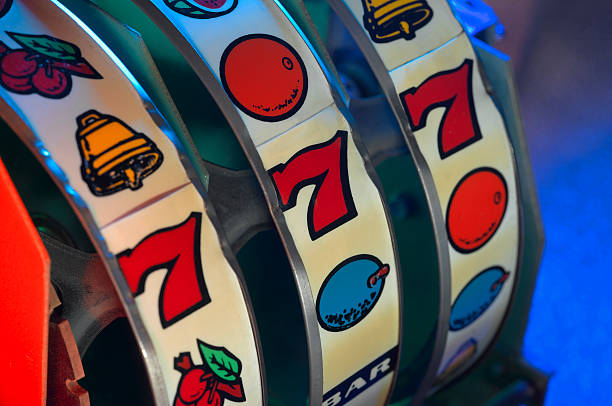
Cognitive biases and psychological factors significantly influence a player’s decision-making process in casinos. For example, the gambler’s fallacy is a common psychological trap where individuals believe that past outcomes can affect future events. A player might conclude that a particular slot machine is “due” for a payout after a long drought, leading them to invest more money in the hope of a big win. This flawed logic can cause players to ignore the fundamental principle that each spin is independent of the last, creating a dangerous cycle of betting based on emotion rather than rational thought.
Moreover, emotions can cloud judgment, resulting in impulsive choices that deviate from a player’s original strategy. When on a winning or losing streak, many gamblers tend to let emotions drive their decisions, often leading to increased wagers and reckless behavior. This emotional rollercoaster can quickly derail a well-thought-out approach, demonstrating how psychological elements can introduce flaws into even the most solid strategies. The pressure to chase losses or capitalize on winning streaks can lead to decisions that are not in the player’s best interest.
An understanding of how psychological factors can warp a player’s perception of reality is crucial for anyone looking to refine their gambling approach. By acknowledging these biases and emotions, players can better prepare themselves to make rational decisions. However, this requires self-awareness and discipline, qualities that many find difficult to maintain in the fast-paced environment of a casino. The interplay between psychology and strategy highlights the importance of mental fortitude in navigating the complexities of gambling.
The Illusion of Control
One of the key reasons why casino strategies might be flawed is the illusion of control that players often experience. Gamblers may believe they can influence the outcome of games through actions or strategies, leading them to underestimate the randomness inherent in casino games. This can be particularly dangerous as it fosters a false sense of security, prompting players to engage more heavily in games with the belief that they have a unique insight or skill that will lead to success. This overestimation of control can result in significant financial losses.
In games like poker, players may feel their skill can overpower luck; however, this is a double-edged sword. While experienced players can certainly make better decisions than novices, the unpredictability of the cards means that luck remains a significant factor. New strategies or techniques may emerge, but they often fail to account for the random elements of card distribution, making them imperfect at best. The illusion of control can lead to overreliance on strategy, risking substantial losses in the long run, especially for those who forget the essential role of chance.
This sense of being in control can also lead to poor bankroll management, as players might wager more than they can afford, convinced that their strategy will yield a profit. Once again, the disconnect between perception and reality becomes evident. Acknowledging the limits of one’s control over outcomes is vital for responsible gambling, yet many players struggle to do so. This reveals yet another flaw in common casino strategies, underscoring the need for a realistic understanding of the games and their inherent unpredictability.
The House Edge: An Unchangeable Reality
Every casino game is designed with a house edge, a built-in advantage that ensures the establishment maintains profitability over time. This mathematical certainty means that no strategy can fully negate the house’s advantage. While players may utilize various strategies to extend their playtime or improve their odds, they cannot change the fundamental fact that the house always has the upper hand in the long run. This harsh truth serves as a crucial reminder that even the most sophisticated strategies will ultimately suffer from the house’s built-in advantages, which are calculated into every game.
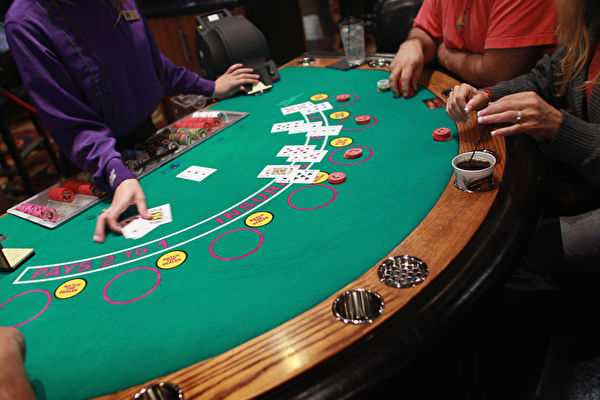
The house edge varies across different games, with some games offering more favorable odds than others. For instance, blackjack may present better odds for skilled players compared to slot machines, but in both cases, the house edge remains. Players might develop intricate strategies to minimize losses or maximize wins, but these will always be counterbalanced by the house edge. Understanding this principle is vital for realistic expectations in gambling, as many players overlook this crucial aspect entirely. The illusion of beating the house can lead to misguided strategies that overlook this fundamental truth.
Furthermore, some players may attempt to use betting systems, such as progressive betting strategies, to counterbalance the house edge. However, these systems often lead to increased risks and do not change the fundamentally unbalanced nature of the games. Realizing the permanence of the house edge is essential for sustainable gambling practices, as it allows players to approach their gaming experience with a more informed, strategic mindset. Acknowledging the house’s advantage fosters a more realistic understanding of the risks involved in gambling, allowing players to make more informed choices.
Finding Balance and Responsible Gaming
In a world where strategies can often seem alluring, finding balance and approaching gambling responsibly is essential. Players must recognize that while strategies can enhance their gaming experience, they are not foolproof solutions and should not be relied upon exclusively. Responsible gaming encourages individuals to view gambling as entertainment rather than a path to riches, which can help mitigate the disappointment that arises from perceived strategic failures. This shift in mindset can lead to a more enjoyable and sustainable gambling experience.
Education about games, odds, and personal limits can go a long way in creating a balanced approach to gambling. Understanding game mechanics, such as the odds of winning, can empower players to make informed choices. This knowledge fosters a responsible attitude towards gambling, ensuring that individuals are aware of the inherent risks and can set limits that keep their gaming experience enjoyable rather than detrimental. Players who prioritize education are more likely to develop healthier gambling habits.
Moreover, online resources and communities can provide valuable support in promoting responsible gaming practices. Enthusiasts can engage with others to learn from their experiences, share insights, and develop a healthier relationship with gambling. Ultimately, finding balance and practicing responsible gaming can help players navigate the complexities and flaws of casino strategies while enjoying the fun and excitement that comes with it. Being part of a supportive community can enhance the overall gambling experience, making it more rewarding and less risky.